

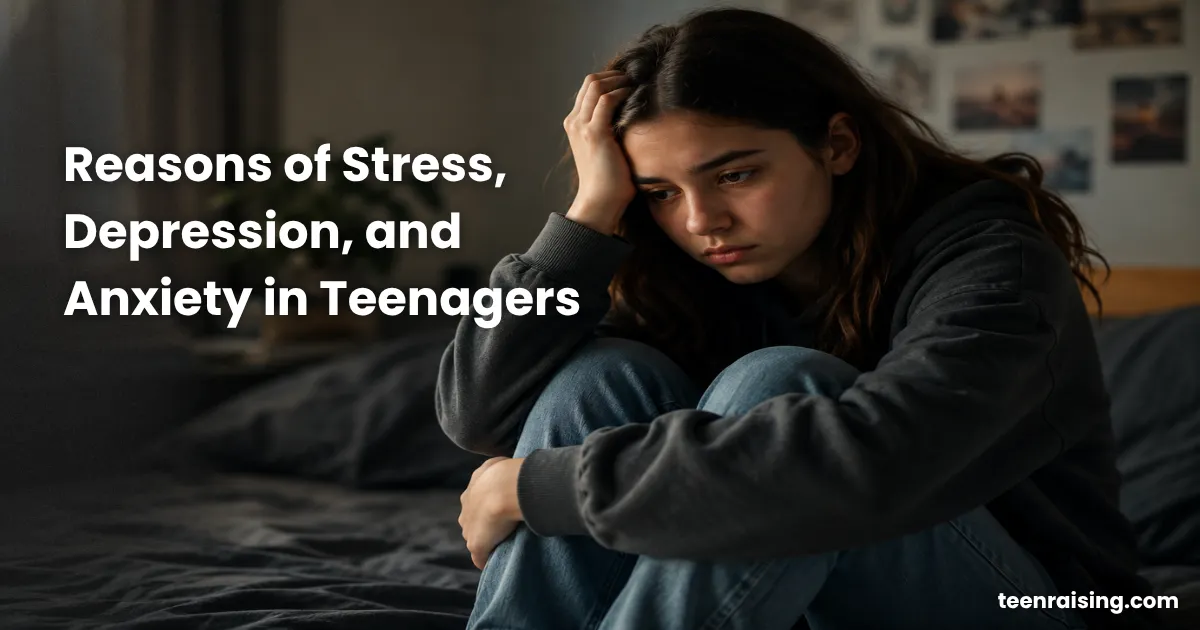

Adolescence is a period full of discoveries and excitement. It is also characterized by increased challenges associated with school life, peers, social networks, family relations, as well as making decisions about the future. While some level of stress can be quite normal for teens, persistent emotions may indicate a different condition.
Currently, anxiety in teenagers is considered one of the most common mental disorders in the United States. As reported by the Centers for Disease Control and Prevention (CDC) and the National Institute of Mental Health (NIMH), millions of young people suffer from anxiety and depression symptoms each year. However, it might be difficult for parents to distinguish whether ordinary concerns turn into a mental disorder.
In this guide, you will find information on possible causes, symptoms, and useful tips that help cope with the situation and contribute to the overall emotional health in teenagers.
Why Are Teenagers More Anxious Now?
There are many reasons why there is an increase in anxiety in teenagers. Some of the reasons why they are having trouble with anxiety are due to problems which have not been experienced by past generations because of their connectivity through technology.
Some of the major reasons are:
- Academic pressures and college applications
- Social media pressures
- Bullying and cyberbullying
- Family disputes and divorce
- Financial problems at home
- Hormones and brain development
- Global occurrences
These issues cause anxiety and stress among teenagers, making it hard for them to unwind.
Knowing why teenagers experience anxiety helps parents empathize with them.
Stress Vs. Anxiety Vs. Depression
Even though these three concepts can be used together, they are not the same.
Stress
Stress is usually a response to something unpleasant like tests, competitions, and other situations. Stress usually passes once things change for the better.
Anxiety
Anxiety in adolescents is usually associated with continuous fear or worries that cannot be explained by anything. Sometimes, anxiety in teenagers stays even when the reason for it disappears.
Depression
Depression is not just about feeling unhappy for some time. Usually, depression includes sadness that lasts for several weeks or months and influences thoughts, feelings, and behavior of a person.
Sometimes, both anxiety and depression in adolescence happens at the same time, which makes it harder to diagnose each problem separately.
Common Signs of Anxiety in Teenagers
Every teenager is unique in their reaction to anxiety. While some get silent and reserved, others get irritated or angry.
The following symptoms are common among teenagers experiencing anxiety.
Emotional Symptoms
- Constantly worried
- Irritable
- Overwhelmed
- Panic attacks
- Fear of making mistakes
- Unable to concentrate
Physical Symptoms
- Headache
- Abdominal pain
- Sleep problems
- Rapid heartbeat
- Muscle tension
- Tiredness
Behavioral Symptoms
- Being afraid of attending school or social events
- Poor academic performance
- Withdrawn from friends
- Seeking reassurance too much
- Change in eating pattern
Identifying these signs of anxiety in teenagers at an early stage is very important before things get out of control.
Symptoms of Depression in Teens
The symptoms of depression in teens can be distinct from those of depression in adults.
The following are common signs of depression in teens:
- Sadness
- Crying frequently
- Lack of interest in activities
- Low energy
- Low self-worth
- Either sleeping too much or too little
- Appetite changes
- Problems concentrating
- Irritability
- Self-harming thoughts or suicidal tendencies (need professional intervention immediately)
Many teenagers suffer from both anxiety and depression. It is quite possible that anxiety and depression in youth tend to overlap.
Causes of Teenage Anxiety and Stress
Knowing the causes of teen anxiety and stress allows parents to recognize possible triggers rather than blame the teenager.
The common causes include the following:
Pressure Related to Academics
There is great pressure on many teenagers to get good grades, participate actively in extra-curricular activities, and prepare for university.
Social Interaction
Peer relationship problems, romantic relationships, peer pressure, and the fear of rejection cause common teenage fears.
Use of Social Media
Comparison on social media, FOMO, and cyberbullying often cause anxiety among teenagers.
Change within the Family
Such events as divorce, moving, family problems, illnesses, or financial hardship affect teenagers’ emotional well-being.
Biological Aspects
Hormones, genetic factors, and brain development impact anxiety and depression in adolescence.
Life Transitions
Events such as entering high school, switching schools, or moving affect separation anxiety in adolescence.
Common Teenage Fears Parents Should Know About
Not all fears are a sign of anxiety disorders. But worries should be addressed nonetheless.
Some typical teen fears that kids face are as follows:
- Fear of failure
- Fear of rejection
- Fear of speaking in front of others
- Fear of disappointing parents
- Fear of judgment
- Fear of isolation
- Fear for the future
Although these teenage fears and worries may appear insignificant to grown-ups, to teens, they can be overwhelming.
Impact of Stress on Mental Wellbeing of Teenagers
Prolonged stress impacts much more than just one’s mood.
Some of the effects of stress on teenage mental health might be the following:
- Bad academic achievements
- Sleep disorders
- Low self-respect
- Greater anxiety
- Depression
- Health issues
- Drug abuse
- Withdrawal from social life
Untreated anxiety and stress among teenagers will likely persist into adulthood.
How Parents Can Help Anxious Teens
Parents frequently wonder how to help a teenager with anxiety without exacerbating the problem.
The positive aspect about helping teenagers struggling with anxiety is that the little things tend to matter the most.
Listen Without Passing Judgment
Let your teen vent their frustrations without trying to fix things right away.
Acknowledge Their Feelings
Instead of saying,
“You’re overreacting.”
Say,
“That seems like it was very challenging. I’m happy you shared that with me.”
This technique helps parents understand how to make their anxious teens feel heard.
Promote Healthy Habits
Adequate sleep, healthy eating, exercise, and less time on electronic devices all contribute to emotional health in teenagers.
Problem Solving
Instead of helping your child solve his problems, encourage him to think of possible solutions.
When to Consult a Professional
If anxiety affects school, relationships, sleep, or everyday functioning over several weeks, think about talking with a doctor or a mental health expert.
How to help a teenager with anxiety also includes knowing when more help is needed.
Coping Strategies for Teens Suffering from Anxiety
Understanding effective coping strategies for teen anxiety will help teens cope with their emotions in life.
It is important that your teen engages in:
- Deep breathing
- Regular exercise
- Journaling
- Spending time outside
- Limiting overuse of social media
- A regular sleeping schedule
- Breaking down big tasks into smaller parts
- Communicating with trusted adults
These coping strategies for teens suffering from anxiety will decrease daily stress and increase emotional resilience.
Mental Health Tips for Teenagers
In addition to the above-mentioned tips on mental well-being for teenagers, parents can urge their children to follow these simple recommendations:
- Say “help” when it is needed.
- Never expect perfection.
- Take breaks from using electronic devices.
- Keep close friends around.
- Express gratitude every day.
- Devote some time to hobbies and relaxation.
- Admit that errors are natural.
These are the useful mental health tips for teenagers which parents should apply.
How to Deal with Teenage Stress
The question about ways to handle teenager’s stress is one that every parent is asking themselves on a daily basis.
Create an environment in which:
- Talk without judgment.
- Meals are spent with family.
- Teens can talk about their feelings.
- Expectations are realistic.
- Balance is valued along with success.
Knowing how to deal with teenage stress starts with creating an emotional safety zone at home, not perfect parenting.
Hope Begins with Understanding and Support
Adolescence has always been difficult, but today’s teenagers deal with many issues making teenage anxiety much more common than ever before. If you are aware of the first symptoms of anxiety in teenagers, know what causes stress in teenagers and treat these issues with tolerance rather than criticism, you will be able to help your child effectively.
Anxiety in teenagers does not define your teenager’s character. Thanks to open-minded conversations, healthy habits, coping skills for teenage anxiety and professional help, if needed, most teenagers will be able to build enough self-confidence and strength.
Helping your teenager with their mental health is not about knowing everything; it is about being there constantly and letting your child know he/she never has to go through anything on their own.
Also read: 12 Active Listening Skills Parents Should use with Teenagers



[…] Also read: Understanding Stress, Depression, and Anxiety in Teenagers: Signs, Causes & Support […]